

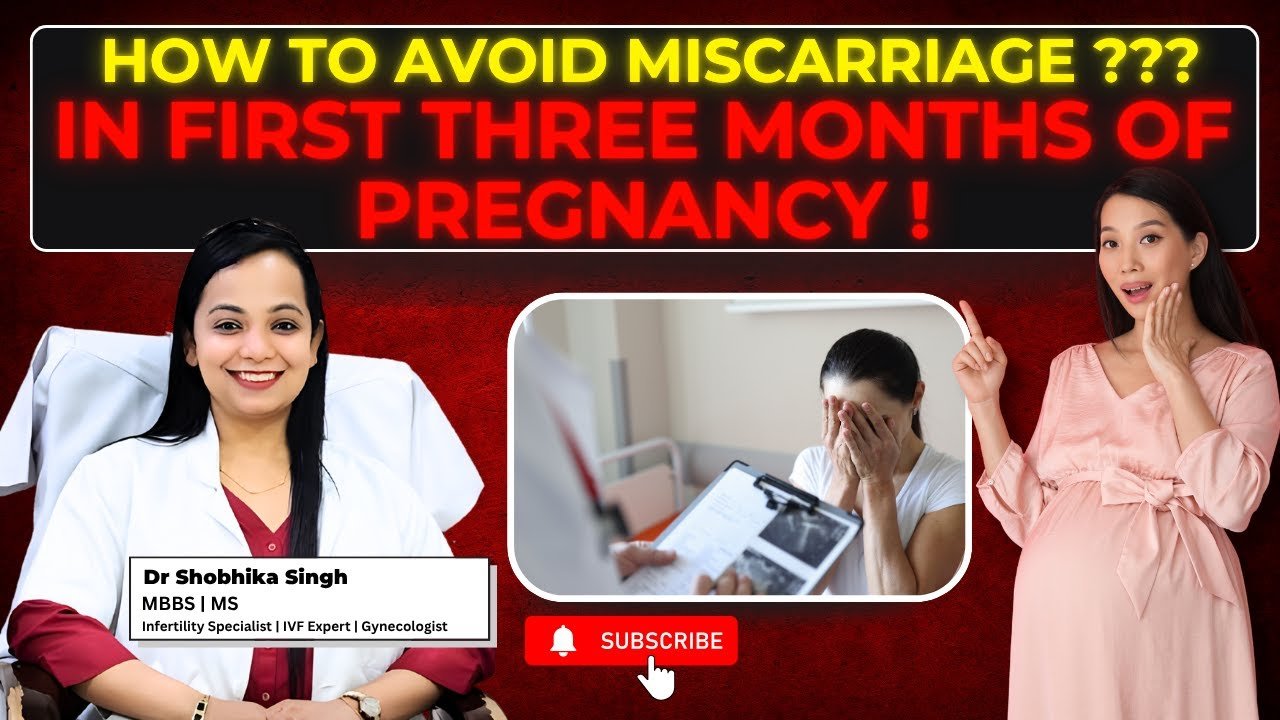
How to Prevent Miscarriage in Early Pregnancy: Expert Tips for the First 3 Months
Introduction
The first trimester of pregnancy is an exciting yet delicate phase. Many women worry about the possibility of miscarriage, especially during the first 12 weeks. While not all miscarriages can be prevented, adopting healthy habits and seeking timely medical care can help support a healthy pregnancy.
Understanding the risk factors and taking the right precautions can provide reassurance and improve overall maternal health during early pregnancy.
What Is a Miscarriage?
A miscarriage is the loss of a pregnancy before 20 weeks of gestation. Most miscarriages occur during the first trimester and are often caused by chromosomal abnormalities that prevent normal fetal development.
It is important to remember that in many cases, miscarriage occurs due to factors beyond a woman’s control.
Can Miscarriage Always Be Prevented?
No.
Many early miscarriages occur because of genetic abnormalities in the embryo and cannot be prevented. However, maintaining a healthy lifestyle and managing medical conditions can help reduce certain risks and support a healthy pregnancy.
Tips to Support a Healthy Pregnancy During the First 3 Months
1. Attend Early Prenatal Check-Ups
Schedule an appointment with your gynecologist as soon as you confirm your pregnancy.
Early prenatal care helps:
- Monitor fetal development
- Detect potential complications
- Manage existing medical conditions
- Provide nutritional guidance
Regular follow-up appointments are essential for both mother and baby.
2. Take Folic Acid as Recommended
Folic acid plays an important role in early fetal development.
Doctors commonly recommend folic acid supplementation before conception and during early pregnancy to support the baby’s neural tube development and reduce the risk of certain birth defects.
Always follow your doctor’s dosage recommendations.
3. Eat a Balanced and Nutritious Diet
A healthy pregnancy diet should include:
- Fresh fruits and vegetables
- Whole grains
- Lean proteins
- Dairy products or calcium-rich alternatives
- Iron-rich foods
- Adequate hydration
Good nutrition supports fetal growth and maternal health throughout pregnancy.
4. Avoid Smoking, Alcohol, and Recreational Drugs
Smoking, alcohol consumption, and recreational drug use are associated with pregnancy complications and should be avoided during pregnancy.
If you need help quitting, speak with your healthcare provider for guidance and support.
5. Manage Chronic Health Conditions
Certain medical conditions may increase pregnancy risks if not properly controlled.
Examples include:
- Diabetes
- Thyroid disorders
- High blood pressure
- Autoimmune diseases
Work closely with your healthcare provider to manage these conditions before and during pregnancy.
6. Get Adequate Rest and Sleep
Your body undergoes significant hormonal and physical changes during pregnancy.
Aim for:
- Regular sleep schedules
- Adequate nighttime sleep
- Rest when feeling fatigued
Proper rest supports overall health and recovery.
7. Stay Physically Active
In most uncomplicated pregnancies, moderate physical activity can be beneficial.
Examples include:
- Walking
- Prenatal yoga
- Gentle stretching
- Low-impact exercises approved by your doctor
Always consult your healthcare provider before starting or continuing an exercise program during pregnancy.8. Reduce Stress and Anxiety
Pregnancy can bring emotional changes and worries.
Healthy ways to manage stress include:
- Meditation
- Deep breathing exercises
- Prenatal yoga
- Talking with supportive family members
- Seeking professional counseling when needed
Maintaining emotional well-being is an important part of prenatal care.
9. Avoid Self-Medication
Not all medications are safe during pregnancy.
Before taking:
- Pain relievers
- Herbal supplements
- Over-the-counter medicines
- Alternative treatments
Consult your healthcare provider.
Never start or stop prescribed medications without medical advice.
10. Prevent Infections
Certain infections may affect pregnancy.
Simple preventive measures include:
- Frequent handwashing
- Proper food hygiene
- Avoiding undercooked meat and unpasteurized products
- Staying updated on recommended vaccinations
Discuss any concerns about infections with your doctor.
Foods and Habits to Be Cautious About
During pregnancy, your doctor may advise caution regarding:
- Raw or undercooked meat
- Unpasteurized dairy products
- Excessive caffeine intake
- Smoking and alcohol
- Exposure to harmful chemicals
Follow individualized recommendations from your healthcare provider.
Warning Signs That Require Immediate Medical Attention
Contact your doctor promptly if you experience:
- Heavy vaginal bleeding
- Severe abdominal pain
- Persistent cramping
- Passage of tissue
- Severe dizziness or fainting
- Fever with pregnancy symptoms
Early medical evaluation can help identify and manage potential complications.
Common Myths About Miscarriage
Myth 1: Normal Walking Causes Miscarriage
Normal daily activities and walking are generally safe in uncomplicated pregnancies.
Myth 2: Working During Pregnancy Always Causes Miscarriage
Most women can continue working during pregnancy with appropriate precautions and medical guidance.
Myth 3: One Miscarriage Means Future Pregnancy Problems
Many women who experience a miscarriage go on to have healthy pregnancies in the future.
Frequently Asked Questions
What is the highest-risk period for miscarriage?
The first trimester, especially the first 12 weeks, carries the highest risk of miscarriage.
Can bed rest prevent miscarriage?
Routine bed rest is not generally recommended to prevent miscarriage unless specifically advised by your doctor for a medical reason.
Does stress cause miscarriage?
Everyday stress is not considered a proven cause of miscarriage. However, managing stress supports overall health and well-being during pregnancy.
Can exercise cause miscarriage?
Moderate exercise approved by a healthcare provider is generally safe in uncomplicated pregnancies.
Conclusion
While not every miscarriage can be prevented, taking care of your physical and emotional health during the first trimester can support a healthy pregnancy. Regular prenatal care, proper nutrition, folic acid supplementation, adequate rest, and avoidance of harmful substances are important steps for maternal and fetal well-being.
If you have concerns about your pregnancy or experience unusual symptoms, consult your gynecologist promptly. Early medical guidance can help ensure the best possible care for both mother and baby.